
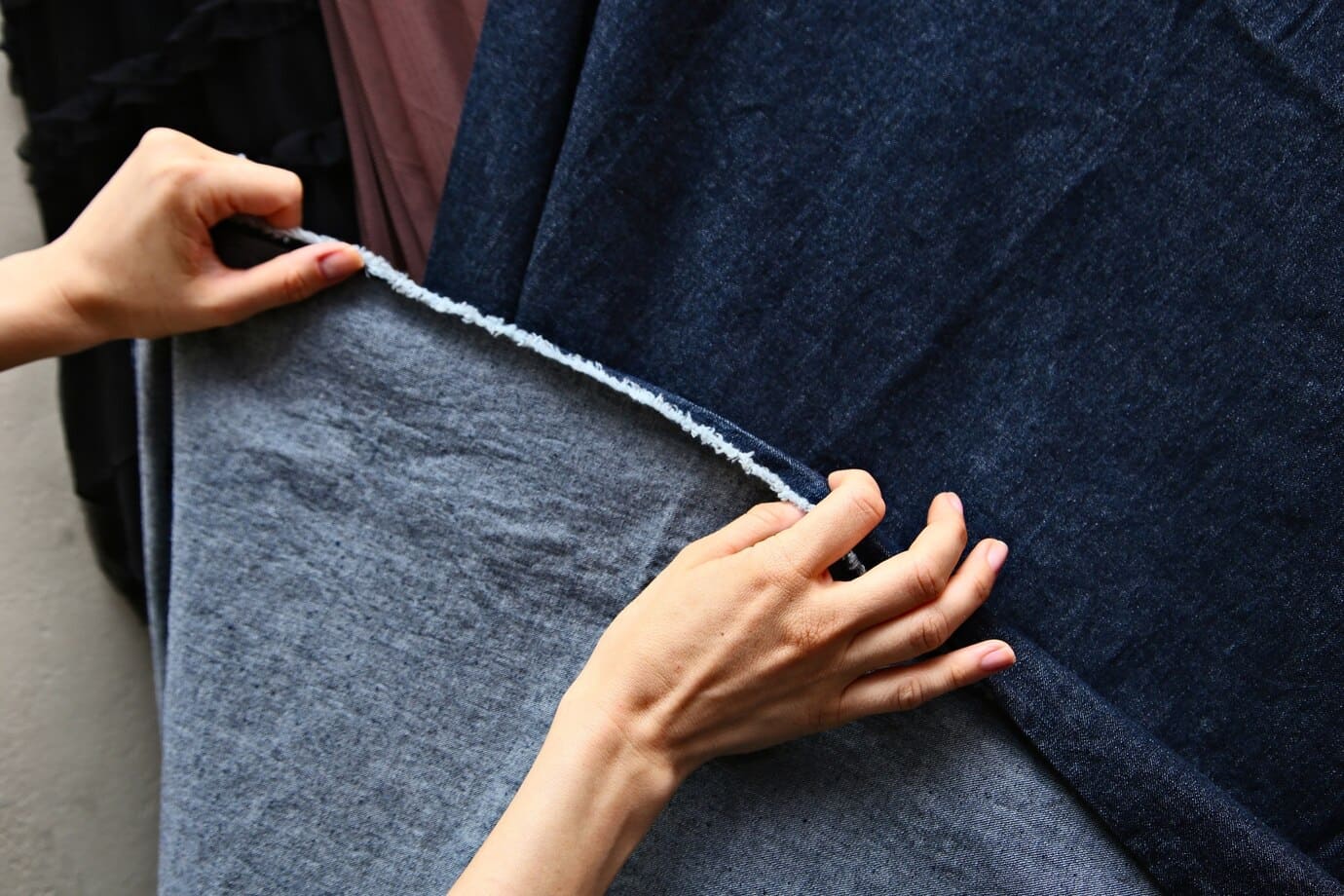
The process of creating customized jeans involves several meticulous steps to ensure quality and precision:
1. Design Consultation – Customers collaborate with designers or use online tools to select styles, fits, and detailing. 2. Fabric Selection – Premium denim in various weights, stretches, and washes is chosen based on durability and comfort. 3. Measurement and Pattern Making – Accurate measurements are taken, and digital patterns are created to ensure a perfect fit. 4. Cutting and Stitching – Skilled artisans cut the fabric and assemble the jeans with precision, incorporating requested features like distressed finishes or embroidery. 5. Quality Control – Each pair undergoes rigorous inspection before delivery to meet high standards.
Benefits of Customized Jeans – Perfect Fit – Tailored to individual body measurements, eliminating common fit issues. – Unique Style – Custom embroidery, patches, or distressing sets them apart from generic designs. – Sustainability – Made-to-order production reduces waste compared to mass manufacturing. – Longevity – High-quality materials and craftsmanship ensure durability.
Challenges in Custom Denim Manufacturing Despite its advantages, producing customized jeans presents challenges: – Higher Costs – Handcrafted details and small-batch production increase prices. – Longer Lead Times – Each pair requires meticulous attention, extending delivery periods. – Scaling Production – Balancing customization with efficiency is complex for manufacturers.