
- – Brand Control: Businesses dictate design, quality, and pricing.
- – Higher Profit Margins: Eliminates middlemen, increasing profitability.
- – Exclusivity: Products are unique to the brand, reducing competition.
- – Scalability: Suitable for startups and established brands alike.
Key Differences Between Custom Clothing and Private Label Manufacturing
While both involve personalized production, they serve different purposes: – Custom Clothing: Focuses on individual consumers seeking one-of-a-kind pieces. – Private Label Manufacturing: Targets businesses building their own branded collections.
The Manufacturing Process: Step-by-Step
1. Design and Conceptualization – Brands or designers create mood boards, sketches, or digital designs. – Fabric selection, color palettes, and trims are finalized.
2. Pattern Making and Sampling – Patterns are drafted based on designs. – Samples are produced for fit and quality assessment.
3. Fabric Sourcing and Cutting – Materials are sourced from trusted suppliers. – Fabric is cut according to approved patterns.
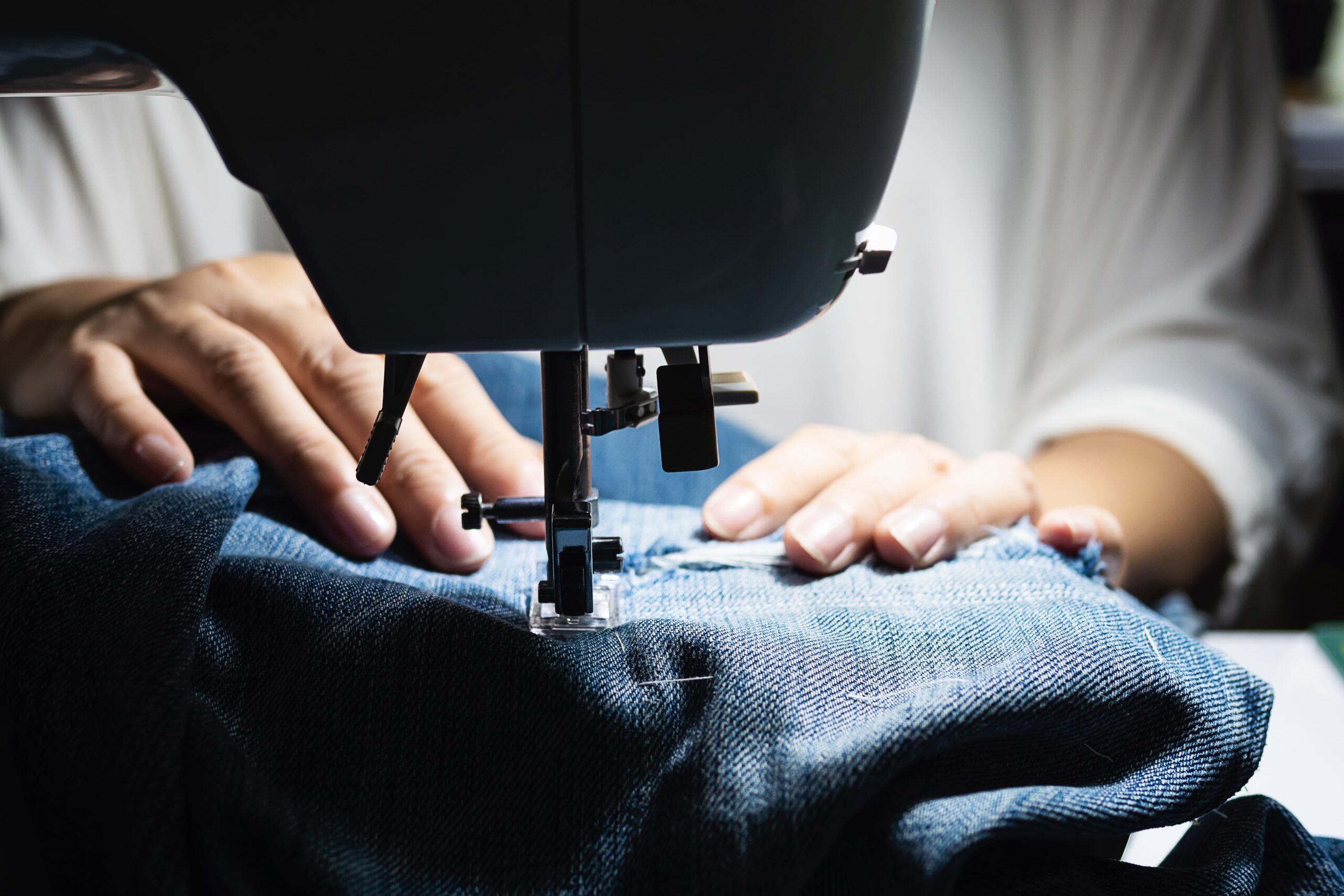
4. Sewing and Assembly – Garments are stitched, incorporating design details. – Quality checks ensure consistency.
5. Finishing and Branding – Garments are pressed, trimmed, and inspected. – Labels, tags, and packaging are added.
6. Quality Control and Shipping – Final inspections verify durability and aesthetics. – Products are shipped to the brand or end customer.
Choosing the Right Manufacturer
Selecting a reliable manufacturer is crucial for success. Consider the following: – Experience: Look for manufacturers with expertise in your niche. – Minimum Order Quantities (MOQs): Ensure they align with your budget. – Ethical Practices: Verify fair labor and sustainable production methods. – Communication: Choose a partner with transparent and responsive communication