
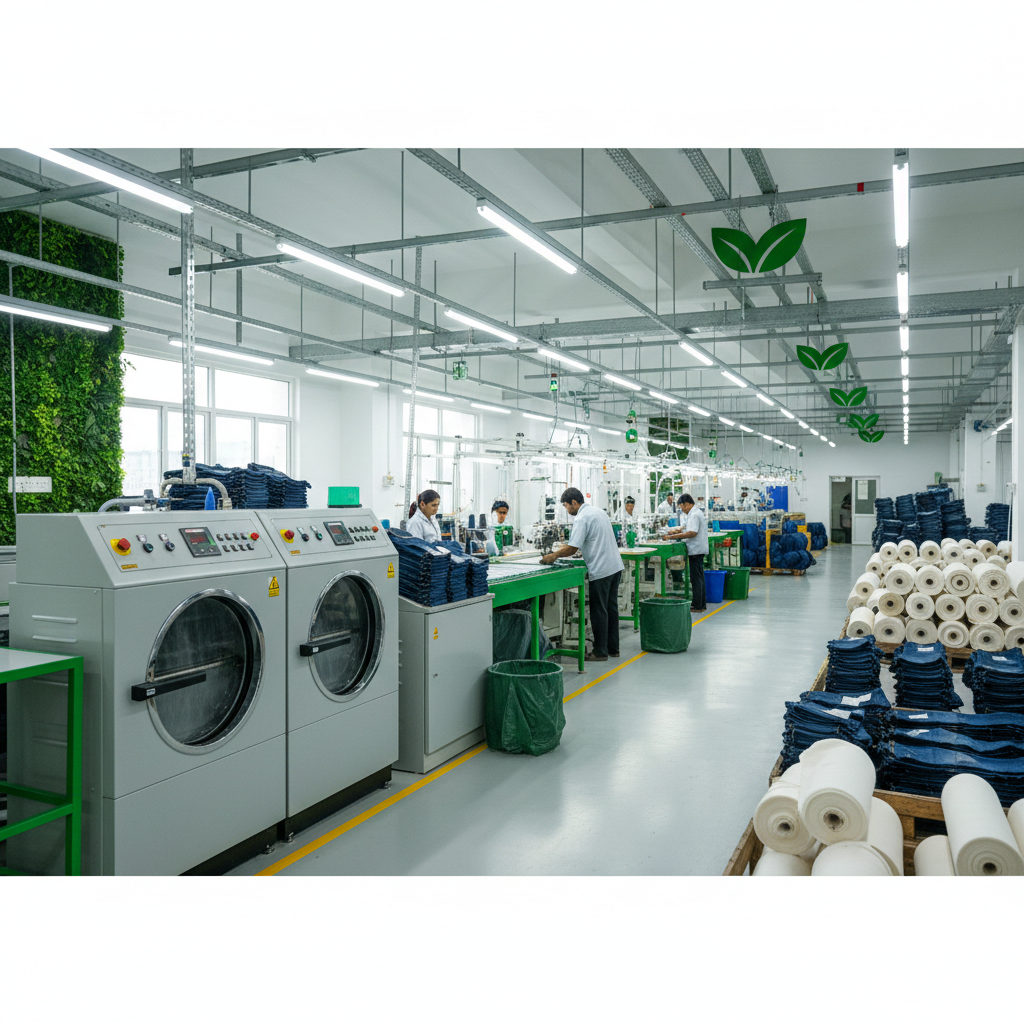
Sustainability has become a key requirement for global fashion brands sourcing denim. Buyers from USA, UK, and Europe increasingly look for manufacturers that follow responsible, eco-friendly denim manufacturing practices without compromising on quality or scalability.
This guide explains what global buyers look for in sustainable denim manufacturing and how brands evaluate suppliers.
Why Sustainability Matters in Denim Manufacturing
Denim production traditionally consumes high amounts of water, chemicals, and energy. Global brands are now under pressure to:
- Reduce environmental impact
- Meet regulatory and buyer compliance
- Align with consumer expectations
As a result, sustainability has become a supplier selection factor, not just a marketing claim.
Key Sustainability Factors Global Buyers Expect
Sustainable Denim Fabrics
Buyers prefer manufacturers offering:
- Organic or responsibly sourced cotton
- Durable fabrics with longer lifecycle
- Reduced chemical usage
👉 Explore available options through Fabric Selection Services
Water-Efficient Washing Processes
Eco-conscious brands look for washing techniques that:
- Reduce water consumption
- Minimize chemical discharge
- Maintain consistent denim finishes
Modern washing processes help meet sustainability goals while maintaining quality.
In-House Production Control
Manufacturers with in-house cut and sew manufacturing provide better transparency and control over sustainable practices.
Sustainable Denim for Europe, UK & USA Buyers
European and UK brands, in particular, emphasize:
- Eco-friendly production methods
- Long-term supplier accountability
- Reliable export compliance
Sustainable manufacturing helps brands meet internal ESG goals and retail partner requirements.
Private Label & OEM Sustainability Expectations
Private Label Brands
Private label buyers expect flexibility and sustainable options without high MOQ barriers.
👉 Learn more about Custom Jeans Manufacturing for Private Labels
OEM Buyers
OEM buyers expect strict adherence to specifications, consistent quality, and scalable sustainable production.
👉 Explore OEM Jeans Manufacturing for Global Brands
Packaging & Sustainability
Sustainability doesn’t stop at production. Buyers also evaluate:
- Reduced packaging waste
- Export-safe but minimal packaging
- Responsible material usage
👉 Learn more about Custom Packaging Solutions
How Sustainable Manufacturing Supports Long-Term Partnerships
Brands that work with sustainable manufacturers benefit from:
- Better brand reputation
- Long-term sourcing stability
- Easier compliance with future regulations
This is why sustainability is now a long-term investment, not a short-term trend.
Common Sustainability Mistakes to Avoid
- Making claims without process transparency
- Ignoring washing impact
- Overlooking packaging sustainability
- Treating sustainability as optional
Global buyers quickly filter out suppliers that do not meet minimum sustainability expectations.
Final Thoughts
Sustainable denim manufacturing is now a core requirement for global buyers. Manufacturers that invest in responsible fabrics, efficient processes, and transparent production build stronger, long-lasting partnerships with international brands.