
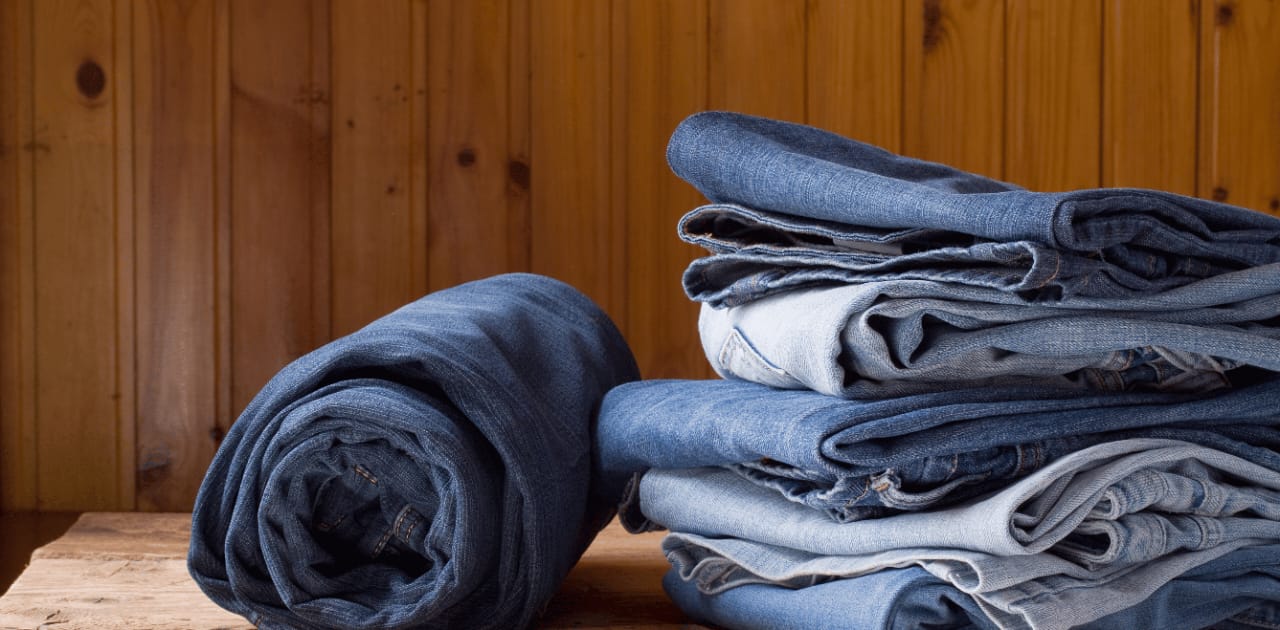
Sustainable Fabric Alternatives Manufacturers are increasingly using organic cotton, recycled denim, and biodegradable materials like Tencel lyocell and hemp. These eco-friendly options minimize environmental impact while maintaining durability and aesthetic appeal.
Precision Cutting and Sewing
Automated Cutting Systems Computer-controlled laser and ultrasonic cutting machines ensure extreme precision, reducing fabric waste. These systems optimize pattern layouts, maximizing material usage and minimizing errors.
Robotic Sewing Robotic arms equipped with advanced stitching mechanisms handle complex seams and reinforcements with unmatched accuracy. This technology increases production speed while maintaining consistency in stitching quality.
3D Pattern Making Digital 3D modeling allows designers to create virtual prototypes before physical production. This reduces sample waste and accelerates the design-to-production timeline.
Sustainable and Ethical Production
Waterless Dyeing Traditional indigo dyeing consumes vast amounts of water. New techniques, such as foam dyeing and digital printing, apply pigments with minimal liquid usage, drastically cutting water waste.
Closed-Loop Systems Some factories recycle water and chemicals used in dyeing and finishing, ensuring zero discharge of harmful substances. This approach aligns with global sustainability standards.
Ethical Labor Practices Automation reduces reliance on manual labor in hazardous processes, improving worker safety. Brands are increasingly adopting fair trade certifications to ensure ethical treatment of employees.
Smart and Customizable Jeans
Embedded Technology Smart denim with embedded sensors can track body movements, monitor health metrics, or adjust fit dynamically. These innovations bridge fashion with wearable tech.
On-Demand Manufacturing Digital platforms enable consumers to customize jeans in real-time, selecting fits, washes, and embellishments. Automated production lines then craft the personalized product, reducing overstock and waste.
Future Trends
The future of jeans manufacturing lies in AI-driven automation, biodegradable materials, and circular fashion models where old jeans are recycled into new ones seamlessly. These innovations will continue to shape an industry that balances style, functionality, and environmental responsibility.
As technology advances, the denim industry will keep pushing boundaries to meet consumer demands while prioritizing sustainability and efficiency. The integration of smart textiles, automation, and eco-conscious practices ensures that jeans remain a timeless yet forward-thinking wardrobe staple.