
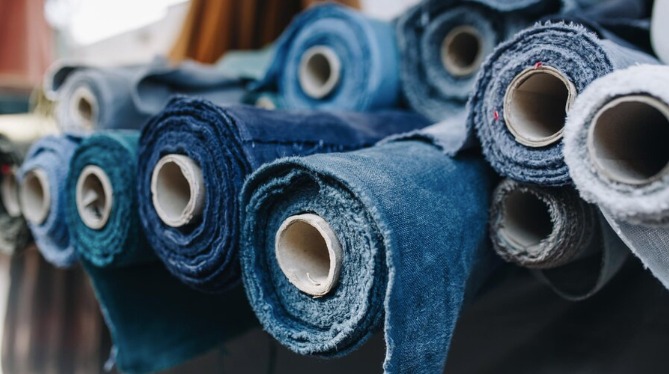
1. Quality & Durability – Check the fabric weight (measured in oz/yd²). Heavier denim (12 oz and above) lasts longer. – Reinforced stitching and double-stitched seams enhance longevity. – Assess the quality of zippers, buttons, and rivets for wear resistance.
2. Sizing & Consistency – Ensure size charts are accurate and standardized across batches. – Request samples before placing large orders to verify fit and quality.
3. Supplier Reliability – Research manufacturers for ethical sourcing and production standards. – Verify lead times, minimum order quantities (MOQs), and return policies.
4. Market Trends & Demand – Stay updated on popular styles (e.g., vintage, eco-friendly denim). – Consider seasonal variations—lighter washes sell more in summer, while darker tones dominate winter.
Fully Customizable Bulk Production in the Clothing Industry
The clothing industry has evolved significantly over the years, with one of the most transformative advancements being fully customizable bulk production. This method allows manufacturers to produce large quantities of garments while incorporating personalized designs, fabrics, and fits to meet diverse consumer demands. Unlike traditional mass production, where uniformity is prioritized, customizable bulk production strikes a balance between efficiency and individualization.
Understanding Customizable Bulk Production Customizable bulk production refers to the process of manufacturing clothing in large quantities while allowing for variations in design, color, size, and fabric based on customer specifications. This approach leverages advanced manufacturing technologies, digital tools, and flexible supply chains to ensure that each item meets unique requirements without sacrificing cost-effectiveness or production speed.
Several factors make this model appealing: – Consumer Demand: Modern shoppers seek unique, personalized clothing that reflects their style. – Technological Advancements: Digital printing, automated cutting, and 3D modeling enable efficient customization. – Sustainability: Reducing overproduction by aligning supply with demand minimizes waste.
Technologies Enabling Customizable Bulk Production
1. Digital Printing and Dyeing Digital textile printing allows for intricate, high-quality designs to be printed directly onto fabric with minimal waste. Unlike traditional screen printing, which requires separate setups for each color, digital methods enable rapid changes between designs without additional costs.
2. Automated Cutting Machines Laser and robotic cutting systems ensure precision and speed, handling multiple fabric types while minimizing material waste. These machines can be programmed to adjust patterns on the fly, accommodating various sizes and styles seamlessly.
3. 3D Design and Virtual Sampling Before physical production, designers use 3D modeling software to create virtual prototypes. This reduces the need for physical samples, cutting costs and lead times. Retailers and brands can visualize garments in different colors and patterns before committing to bulk orders.
4. AI and Machine Learning Artificial intelligence optimizes production by predicting trends, managing inventory, and automating design adjustments. Machine learning algorithms analyze customer preferences to suggest personalized options, enhancing the customization process.